rTMS for Post-Stroke Aphasia
Rebuilding language pathways after stroke
Overview
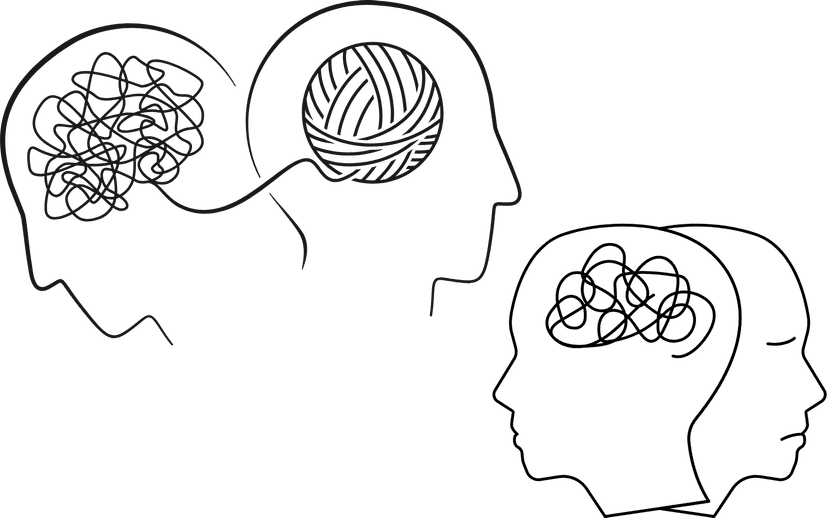
Aphasia is a language disorder that commonly occurs after a stroke, affecting a person's ability to communicate. It can impact speaking, understanding speech, reading, and writing. Post-stroke aphasia can be devastating, isolating individuals from their loved ones and significantly impacting quality of life.
What Causes It?
Aphasia typically results from damage to the language centers of the brain, usually in the left hemisphere. Stroke is the most common cause, but aphasia can also result from traumatic brain injury, brain tumors, or infections.
Standard Treatments
Standard treatment for aphasia includes speech and language therapy. Recovery can be slow and incomplete, with many individuals experiencing persistent communication difficulties despite intensive therapy.
Evidence for rTMS
Research demonstrates that rTMS can enhance the effects of speech therapy in post-stroke aphasia.
rTMS may help reactivate language networks in the brain and promote neuroplasticity.
Studies show improvements in naming ability, fluency, and comprehension.
Treatment is most effective when combined with speech therapy.
Benefits can persist for months after the treatment course ends.
Common Symptoms
What is rTMS?
rTMS (Repetitive Transcranial Magnetic Stimulation) is a non-invasive treatment that uses magnetic fields to stimulate nerve cells in the brain. An electromagnetic coil placed against your scalp delivers painless magnetic pulses to specific brain regions.
By targeting areas of the brain associated with mood regulation, pain perception, addiction, or motor control, these magnetic pulses stimulate brain activity, promoting the healing process by encouraging the formation of new neural connections. This process, known as neuroplasticity, is the key to rTMS effectiveness.
Is rTMS Right for You?
Most people tolerate rTMS exceptionally well with minimal side effects. Any side effects are typically mild and tend to improve after each session. Common side effects may include headache, scalp discomfort, tingling of facial muscles, and lightheadedness. Serious side effects are very rare.
Frequently Asked Questions
Common questions about rTMS treatment for post-stroke aphasia.
Yes, research demonstrates that rTMS can enhance language recovery in patients with post-stroke aphasia. A meta-analysis in the journal Stroke found that rTMS combined with speech therapy produced greater improvements in naming ability, verbal fluency, and comprehension compared to speech therapy alone. The treatment is most effective when started during the recovery period, though benefits have been observed even years after stroke.
After stroke damages left hemisphere language areas, the brain attempts to compensate using right hemisphere regions. However, this compensation is often maladaptive. rTMS can inhibit overactive right hemisphere areas and stimulate preserved left hemisphere tissue, promoting more effective language network reorganization. This process leverages neuroplasticity to optimize recovery.
rTMS can be beneficial at various stages post-stroke. Some protocols begin during acute or subacute recovery (weeks to months post-stroke), when neuroplasticity is heightened. However, benefits have also been demonstrated in chronic aphasia (more than one year post-stroke). The optimal timing depends on individual factors including stroke severity, medical stability, and rehabilitation goals.
Clinical studies have documented improvements in multiple language domains: object naming (finding words for things), verbal fluency (generating words in categories), repetition, comprehension, and spontaneous speech. The specific pattern of improvement depends on the individual's aphasia type and which language functions are most impaired. Overall communication ability and quality of life often improve.
rTMS for aphasia is most effective when combined with intensive speech-language therapy. The treatment appears to prime the brain for learning, enhancing the benefits of concurrent behavioral intervention. Most clinical protocols deliver speech therapy immediately before or after rTMS sessions to capitalize on the window of enhanced neuroplasticity.
Treatment protocols for aphasia typically involve 10-20 sessions over 2-4 weeks, often combined with daily speech therapy. Some patients benefit from additional treatment courses. Unlike medication, rTMS effects can be cumulative and may continue to improve for weeks after completing treatment. Maintenance sessions may be recommended based on individual response and goals.
Ready to Explore rTMS?
Take our free 2-minute assessment to see if rTMS is right for you.