rTMS for OCD
Targeting the brain circuits behind obsessions and compulsions
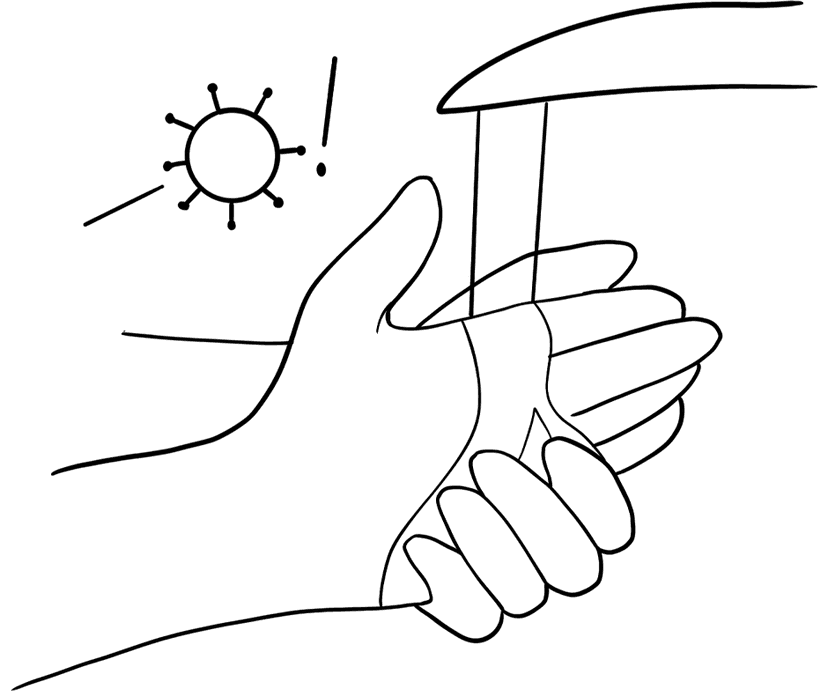
Overview
Obsessive-compulsive disorder (OCD) involves experiencing repetitive, intrusive thoughts, urges, or images that cause fear and anxiety. These unwanted thoughts and feelings are typically recognized as irrational but are still perceived as uncontrollable. In an effort to neutralize or decrease discomfort, individuals are often compelled to engage in physical or mental rituals that can consume a large portion of the day.
What Causes It?
OCD is a multifactorial disorder linked to abnormalities in brain circuits, genetic predisposition, and environmental factors. In individuals with OCD, there can be abnormalities in brain circuits responsible for recognizing and responding to threats.
Standard Treatments
Standard first-line treatments include pharmacotherapy with serotonin reuptake inhibitors (SSRIs) and cognitive behavioural therapy (CBT) with exposure-response prevention (ERP). However, approximately 40-60% of individuals do not respond to these treatments.
Evidence for rTMS
More than 60% of individuals treated with rTMS experience a significant reduction in obsessions and compulsions.
Benefits often begin within several days of treatment.
Up to 90% of individuals maintain the benefits for more than one year, which can be extended further with regular maintenance sessions.
Individuals treated with rTMS have reported improvement in symptoms of co-morbid anxiety, depression, and tic disorders.
rTMS is an effective adjunct to other treatments including SSRIs and CBT with ERP.
Common Symptoms
What is rTMS?
rTMS (Repetitive Transcranial Magnetic Stimulation) is a non-invasive treatment that uses magnetic fields to stimulate nerve cells in the brain. An electromagnetic coil placed against your scalp delivers painless magnetic pulses to specific brain regions.
By targeting areas of the brain associated with mood regulation, pain perception, addiction, or motor control, these magnetic pulses stimulate brain activity, promoting the healing process by encouraging the formation of new neural connections. This process, known as neuroplasticity, is the key to rTMS effectiveness.
Is rTMS Right for You?
Most people tolerate rTMS exceptionally well with minimal side effects. Any side effects are typically mild and tend to improve after each session. Common side effects may include headache, scalp discomfort, tingling of facial muscles, and lightheadedness. Serious side effects are very rare.
Frequently Asked Questions
Common questions about rTMS treatment for ocd.
Yes, the FDA cleared a specific rTMS protocol (deep TMS targeting the anterior cingulate cortex and medial prefrontal cortex) for OCD treatment in 2018. This made OCD the second psychiatric condition (after depression) to receive FDA clearance for rTMS. Health Canada has also approved rTMS for treatment-resistant OCD.
Clinical trials have demonstrated that more than 60% of patients with treatment-resistant OCD experience significant symptom reduction following rTMS. Response is typically defined as a 25-35% reduction in Y-BOCS (Yale-Brown Obsessive Compulsive Scale) scores. Up to 90% of responders maintain benefits for more than one year, particularly when maintenance sessions are utilized.
OCD involves hyperactivity in brain circuits connecting the orbitofrontal cortex, anterior cingulate cortex, and striatum. rTMS protocols for OCD typically use inhibitory stimulation to reduce this excessive activity. During some protocols, patients are asked to briefly engage with their obsessive thoughts (provocation) during stimulation to target the relevant circuits while they are active.
Yes, rTMS is often used alongside Exposure and Response Prevention (ERP), the gold-standard psychotherapy for OCD. Research suggests that rTMS may enhance the effectiveness of ERP by modulating brain circuits involved in anxiety habituation and behavioral flexibility. Combining treatments often produces superior outcomes compared to either treatment alone.
Initial treatment effects typically emerge within the first few weeks and continue to improve after the treatment course ends. Long-term follow-up studies indicate that benefits can persist for 6-12 months or longer. Maintenance sessions (periodic treatments after the initial course) are often recommended to sustain benefits, particularly for patients with chronic or severe OCD.
rTMS has demonstrated effectiveness across various OCD subtypes, including contamination/washing, checking, symmetry/ordering, and intrusive thoughts. Treatment response does not appear to vary significantly based on primary obsession or compulsion type. Patients with comorbid depression may experience improvement in both conditions, as overlapping brain circuits are targeted.
Ready to Explore rTMS?
Take our free 2-minute assessment to see if rTMS is right for you.