rTMS for Post-Concussion Syndrome
Accelerating recovery when concussion symptoms persist
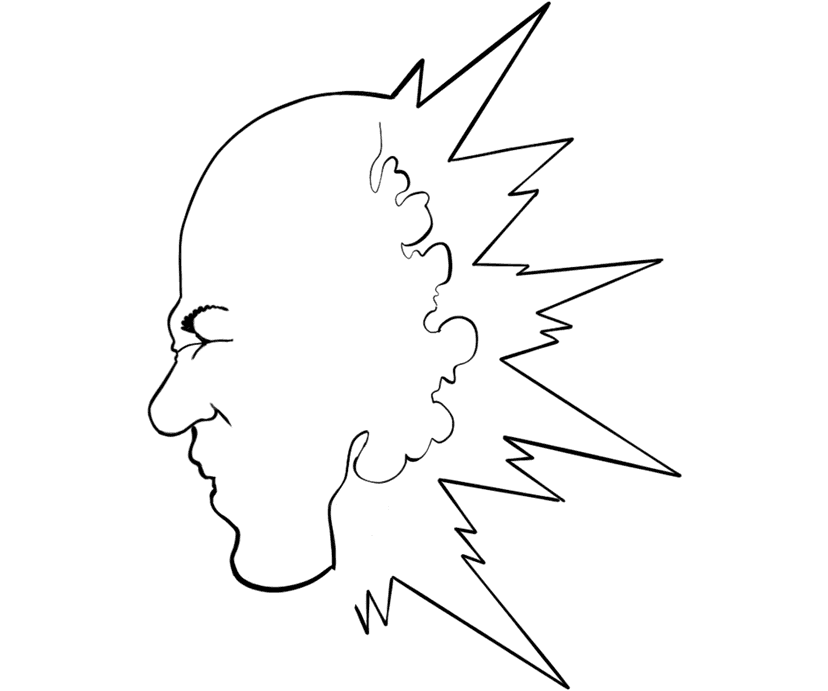
Overview
Post-Concussion Syndrome (PCS) is a condition that may develop following a concussion, a form of mild traumatic brain injury usually caused by a blow to the head or a sudden movement that causes the brain to shake inside the skull. While the majority of individuals recover within a few weeks, nearly half of those diagnosed with PCS endure symptoms for up to three months. Moreover, approximately 10-15% of patients report experiencing symptoms for over a year.
What Causes It?
The underlying causes of PCS are not fully understood, but experts believe it involves metabolic dysfunction in the brain affecting the autonomic nervous system and autoregulation of cerebral blood flow. Risk factors include high symptom burden shortly after injury, multiple past concussions, existing mental health issues, longer periods of unconsciousness, and younger age.
Standard Treatments
Without a specific treatment for PCS, management typically focuses on alleviating symptoms. This may include medications for headaches, psychological counseling, and psychotropic medications tailored to the individual's specific complaints and level of disability.
Evidence for rTMS
Numerous studies have demonstrated that rTMS therapy leads to significant improvements in PCS symptoms.
Reduced severity and frequency of headaches.
Enhanced cognitive function - memory and concentration improvements.
Less sleep disturbance.
Decreased symptoms of depression and anxiety that often accompany PCS.
An overall improved quality of life.
Common Symptoms
What is rTMS?
rTMS (Repetitive Transcranial Magnetic Stimulation) is a non-invasive treatment that uses magnetic fields to stimulate nerve cells in the brain. An electromagnetic coil placed against your scalp delivers painless magnetic pulses to specific brain regions.
By targeting areas of the brain associated with mood regulation, pain perception, addiction, or motor control, these magnetic pulses stimulate brain activity, promoting the healing process by encouraging the formation of new neural connections. This process, known as neuroplasticity, is the key to rTMS effectiveness.
Is rTMS Right for You?
Most people tolerate rTMS exceptionally well with minimal side effects. Any side effects are typically mild and tend to improve after each session. Common side effects may include headache, scalp discomfort, tingling of facial muscles, and lightheadedness. Serious side effects are very rare.
Frequently Asked Questions
Common questions about rTMS treatment for post-concussion syndrome.
Yes, multiple clinical studies have demonstrated that rTMS can significantly reduce post-concussion syndrome (PCS) symptoms. Research published in Brain Stimulation found that patients receiving rTMS showed improvements in headache frequency and severity, cognitive function, mood symptoms, and overall quality of life compared to sham treatment. Benefits have been observed even in patients with prolonged PCS lasting months to years.
Most clinical protocols begin rTMS treatment once symptoms have persisted beyond the typical recovery window (usually 2-4 weeks post-injury), as most concussions resolve spontaneously within this timeframe. For patients with persistent symptoms, earlier intervention may be considered. Treatment timing should be determined by a qualified healthcare provider based on individual circumstances.
rTMS has demonstrated benefit for multiple PCS symptom clusters: persistent headaches (reduced frequency and intensity), cognitive symptoms (improved concentration, processing speed, and memory), mood symptoms (reduced depression and anxiety), fatigue, and sleep disturbances. The treatment can target different brain regions depending on the predominant symptom presentation.
Treatment protocols for PCS typically involve 10-20 sessions over 2-4 weeks. The number of sessions may be adjusted based on symptom severity and response. Some patients experience improvement within the first week, while others require the full treatment course. Additional sessions or maintenance treatments may be recommended for patients with prolonged or severe symptoms.
rTMS has been studied in brain injury populations and is considered safe when administered by trained professionals following established guidelines. The treatment does not involve medications that could interact with other treatments, and there is no sedation or cognitive impairment during or after sessions. The main contraindication is a history of seizures, which should be discussed during consultation.
Yes, post-traumatic headache is one of the most responsive PCS symptoms to rTMS. Studies have shown significant reductions in headache frequency, duration, and intensity. rTMS may be particularly helpful for patients whose headaches have not responded to conventional treatments such as medications or physical therapy. The treatment can target brain regions involved in pain processing and migraine pathophysiology.
Ready to Explore rTMS?
Take our free 2-minute assessment to see if rTMS is right for you.